 01
01Carbon governance
Perpres 110/2025 and the instruments that implement it define the legal framework for carbon economic value and national greenhouse gas emission control. A project’s legal position depends on the relevant activity, authority, record, and implementing requirements.
Questions we examine
The legal basis of the activity, the party entitled to act, and the instruments applicable to the project.
Perpres 110/2025 — JDIH BPK 02
02Emission reduction units
SPE-GRK and carbon-unit records are examined through the chain from issuance to registration, transfer, and use. The contractual claim must be read alongside the record of the unit and the authority of the transferring party.
Questions we examine
Who holds the unit, what may be transferred, and what the underlying records and contracts establish.
Perpres 110/2025 — JDIH BPK 03
03IDX Carbon
Exchange documentation, participant status, and transaction rules form part of a carbon-market matter. A trade should be assessed together with the unit’s status, the parties’ authority, and the contract behind the transaction.
Questions we examine
Participant eligibility, ownership evidence, transaction terms, and the allocation of liability.
IDX Carbon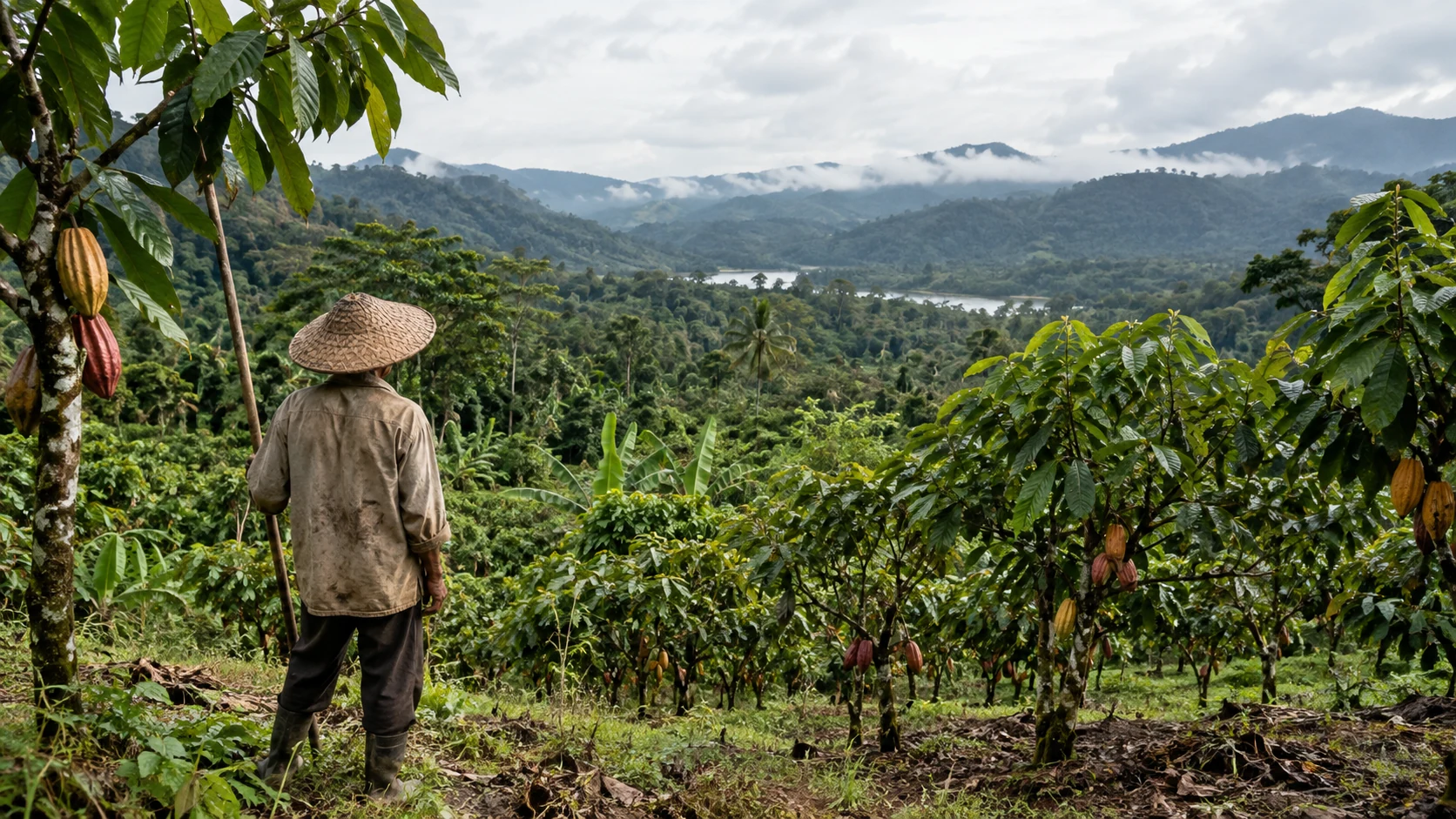 04
04Land and forestry legality
The legality of production cannot be concluded from coordinates alone. Land records, permits, forestry status, customary claims, and evidence of production must be read together against the purpose for which the conclusion will be used.
Questions we examine
The relationship between the mapped plot, title or tenure, permit status, and the legal origin of its harvest.
EUDR — European Commission 05
05Validation and verification bodies
SNI ISO/IEC 17029, ISO 14065, and the applicable KAN framework inform institutional questions about governance, competence, impartiality, and responsibility. The firm’s role is to examine the legal structures around the institution.
Questions we examine
Governance instruments, conflict controls, service contracts, and liability allocation.
Komite Akreditasi Nasional 06
06Sharia instruments
Carbon and sustainability instruments raise questions under Islamic commercial law about the subject of a transaction, uncertainty, speculation, and financing terms. Relevant DSN-MUI instruments are read alongside the actual structure and contracts.
Questions we examine
Mal mutaqawwam, gharar, maysir, riba, and the relationship between the project and maqasid al-shariah. An Expert Board opinion is not a fatwa.
Dewan Syariah Nasional — MUI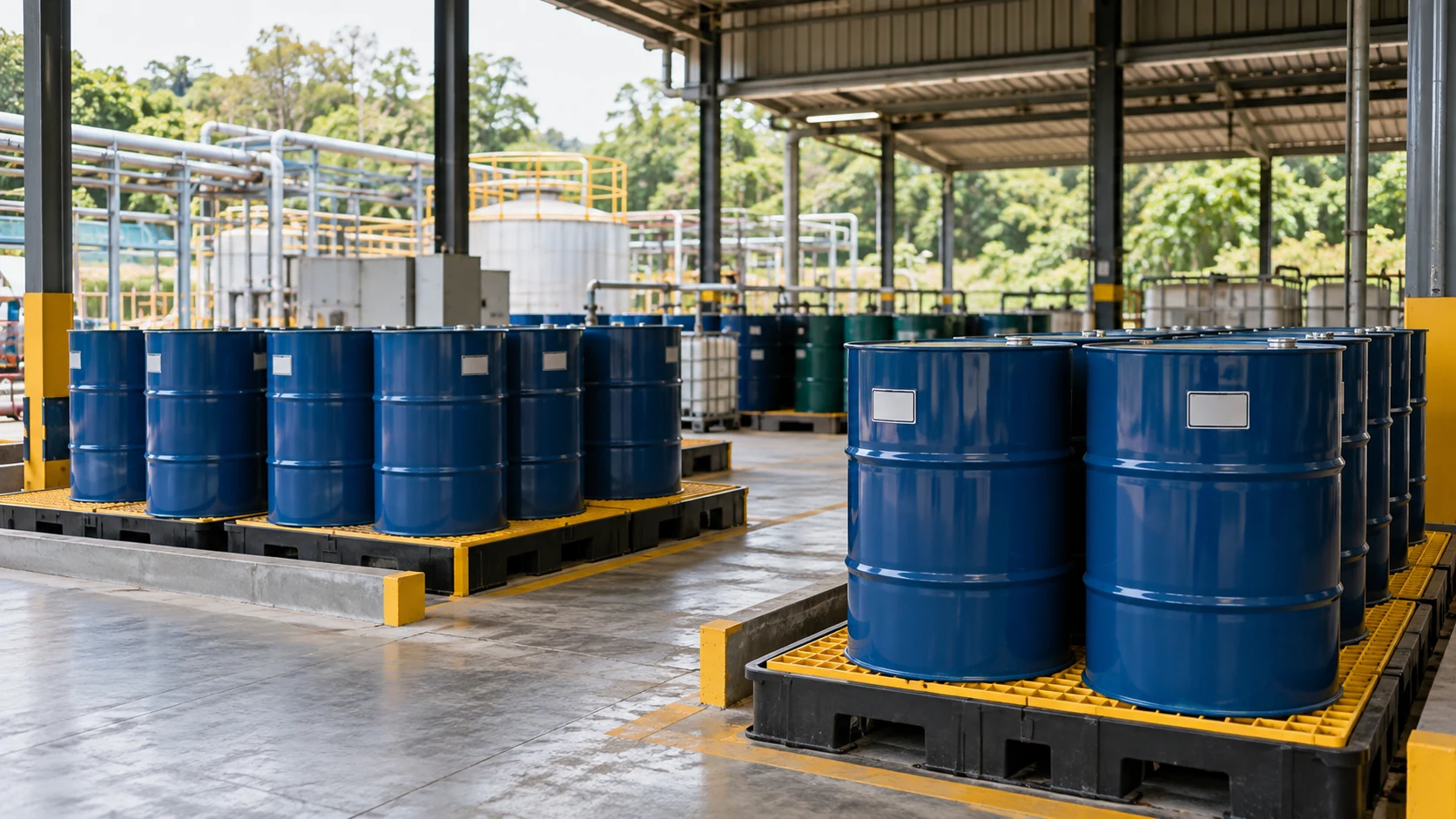 07
07Hazardous waste (B3)
PP 22/2021 provides an environmental regulatory framework that includes hazardous waste management. Compliance examination reads the permit chain together with the actual activity, storage arrangements, records, manifests, and reporting.
Questions we examine
Environmental approval; licences and issuing authorities for each activity; storage periods; logbooks; manifests; and reporting obligations.
PP 22/2021 — JDIH BPKRead the instrument against the matter
An overview cannot determine whether a project, shipment, institution, or permit chain complies. That conclusion requires the relevant instruments and evidence.