

CBAM: the law around the data.
The EU declarant carries the obligation. The figures are produced upstream. We address the contract and evidence connecting them.
Read about CBAM
The law that governs it is still being written.
Indonesian counsel for carbon markets, EU green trade regulation, and environmental compliance.
An emission reduction unit can be owned, sold, pledged, and disputed. A shipment can be refused at a European border because of what a document does or does not establish about a plot of land in Indonesia.
Both outcomes turn on law: title, contract, evidence, and who bears the risk when the evidence fails. This firm works at that point.
The same shipment raises different legal questions at each point in the chain.
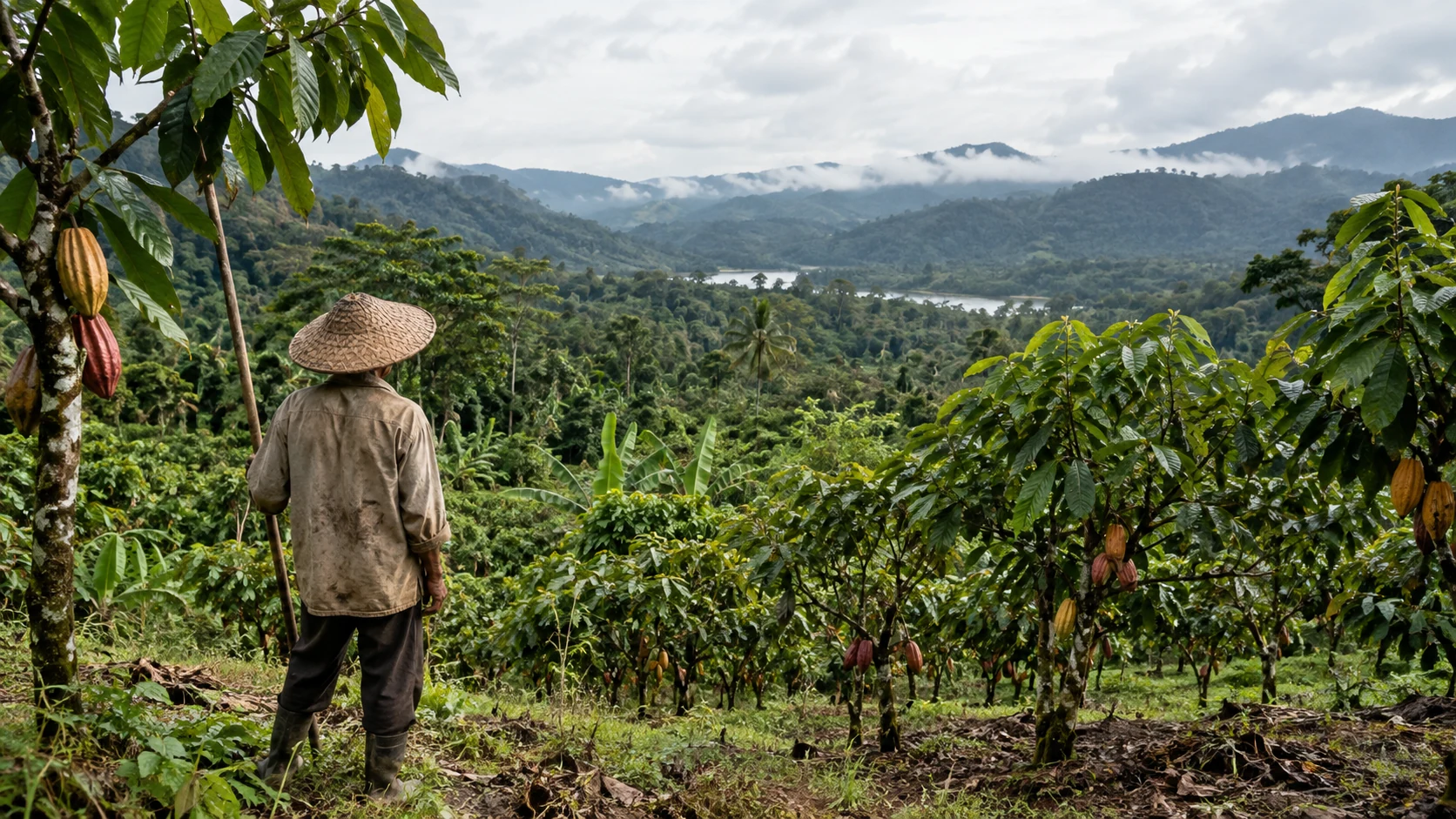
Whether the land, the carbon, and the harvest can be shown to be lawfully held.
Title and tenure review, customary claim mapping, and legality documentation.
Explore our practice
Whether the goods can enter, and who carries the risk if they cannot.
Contract allocation of compliance risk, evidence readiness, and supplier warranties.
Explore our practice
Whether the origin-country evidence will hold if it is tested.
Legal opinions on origin-country legality and counterparty due diligence.
Explore our practice
Whether the obligation has genuinely been discharged upstream.

Whether the institution is legally sound enough to hold accreditation.
Governance instruments, impartiality frameworks, and liability structures.
Explore our practice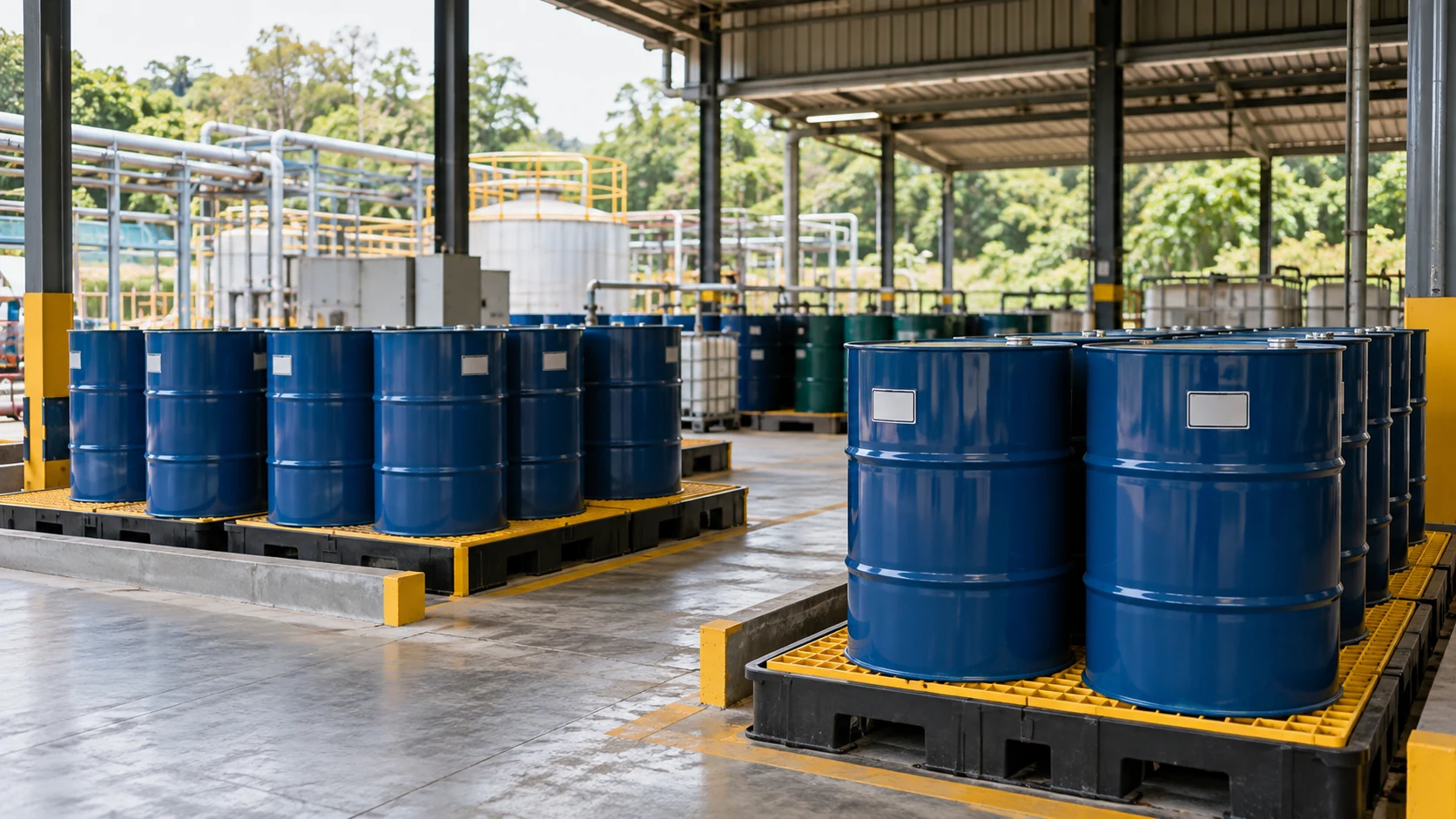
Whether your permit chain, storage periods, and reporting will survive inspection and prosecution.
B3 compliance examination and environmental criminal defence with technical experts.
Explore our practiceTwo regimes, distinct questions, and legal work where the evidence is produced.
The EU declarant carries the obligation. The figures are produced upstream. We address the contract and evidence connecting them.
Read about CBAMA coordinate locates the land. It does not establish title, permits, customary claims, or the legal origin of a harvest.
Read about EUDRThe categories describe what you receive: an examination, a statement, or a continuing engagement.

What can be established from your documents today. Fixed scope, fixed fee, delivered by advocates.

What we are prepared to stand behind, by name. Issued only when the method, partners, and evidence are in place.

Counsel that stays with you through proceedings, accreditation, and time.
The first question is what evidence exists. We state the instruments examined, the basis of our conclusions, and the limits of what can be established.
Meet the firm and its methodOn what legal basis may a person take economic benefit from the earth’s capacity to absorb carbon?Read the Indonesian regulatory framework
Tell us about your position in the supply chain and the needs or obligations you must address.